🌐 中文 English
Introduction
I’ve been wanting to write about MCP for a while, but held off due to limited content. Recently, after reviewing materials related to deepseek-prover-v2, I found it very interesting and decided to combine them into this article.
MCP
MCP (Model Context Protocol) was officially proposed and open-sourced by the AI company Anthropic on November 25, 2024. This protocol aims to provide a standardized interface for large language models (such as Claude3.7 sonnect) to connect with and interact with external data sources and tools. It is considered a key milestone in advancing the AI Agent revolution due to its ability to call various external tools, enabling the currently popular AI Agent models to achieve the following functions:
- Dynamic access to files, APIs, and databases
- Reading and calling tools or plugins
- Interacting with the operating system or browser
The Impact of MCP on the Current AI Landscape
1. Full-Process Automated AI Agents Represented by manus
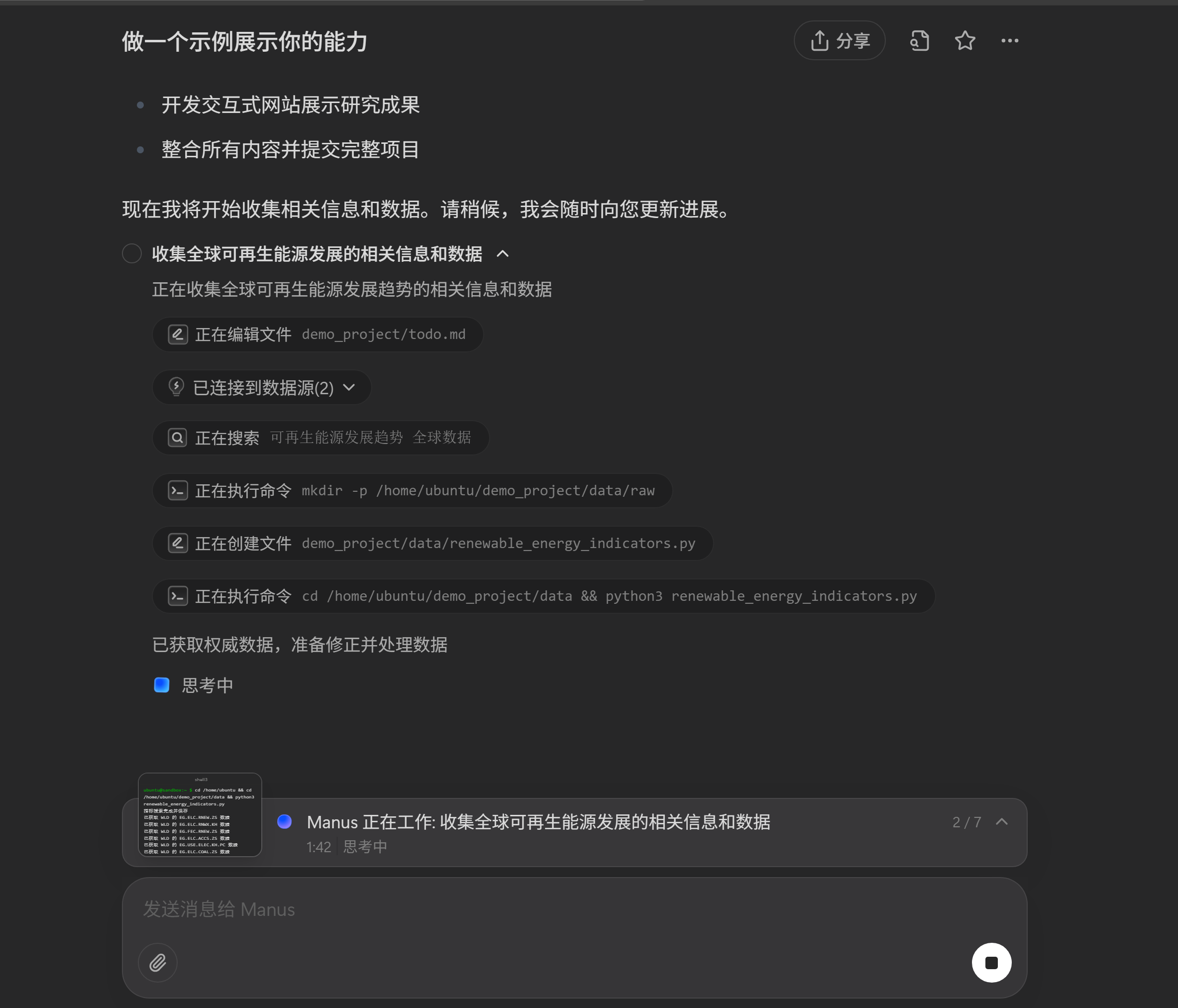
ManusAI is a general-purpose autonomous AI Agent launched by the Chinese startup Monica on March 6, 2025. It aims to achieve end-to-end automation from user intent to actual execution. Users only need to provide the problem and the necessary materials for the AI, and it will automatically create virtual machines and call various tools in the background to complete the task.
2. Workflow AI Agents Represented by coze
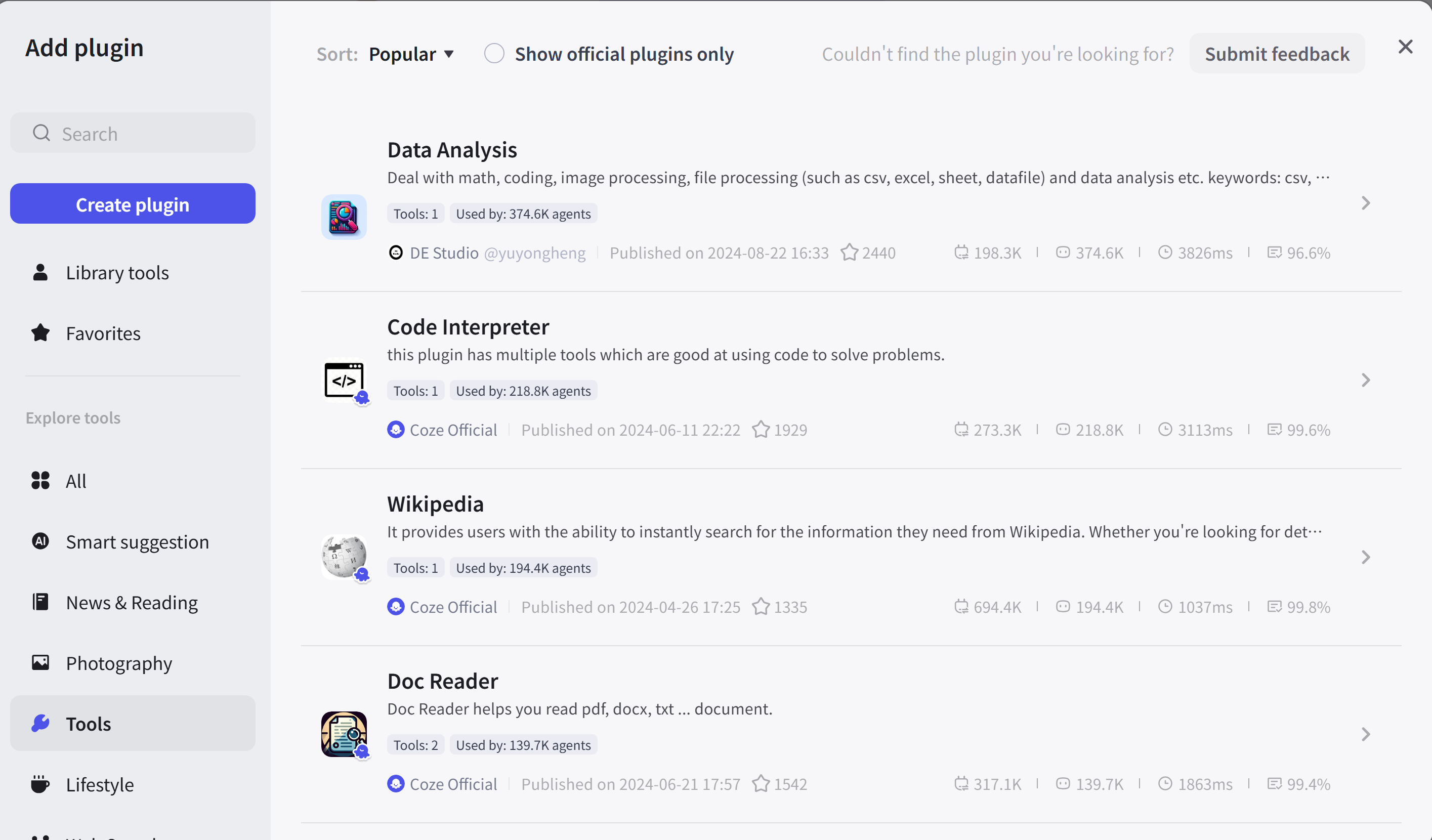
Coze is a lightweight AI Agent construction platform launched by ByteDance. It uses a “module drag-and-drop + conversation-driven” approach to break down tasks into workflow nodes, allowing users to create AI Agents capable of automatically executing complex tasks without programming.
3. IDE AI Agents Represented by Cline
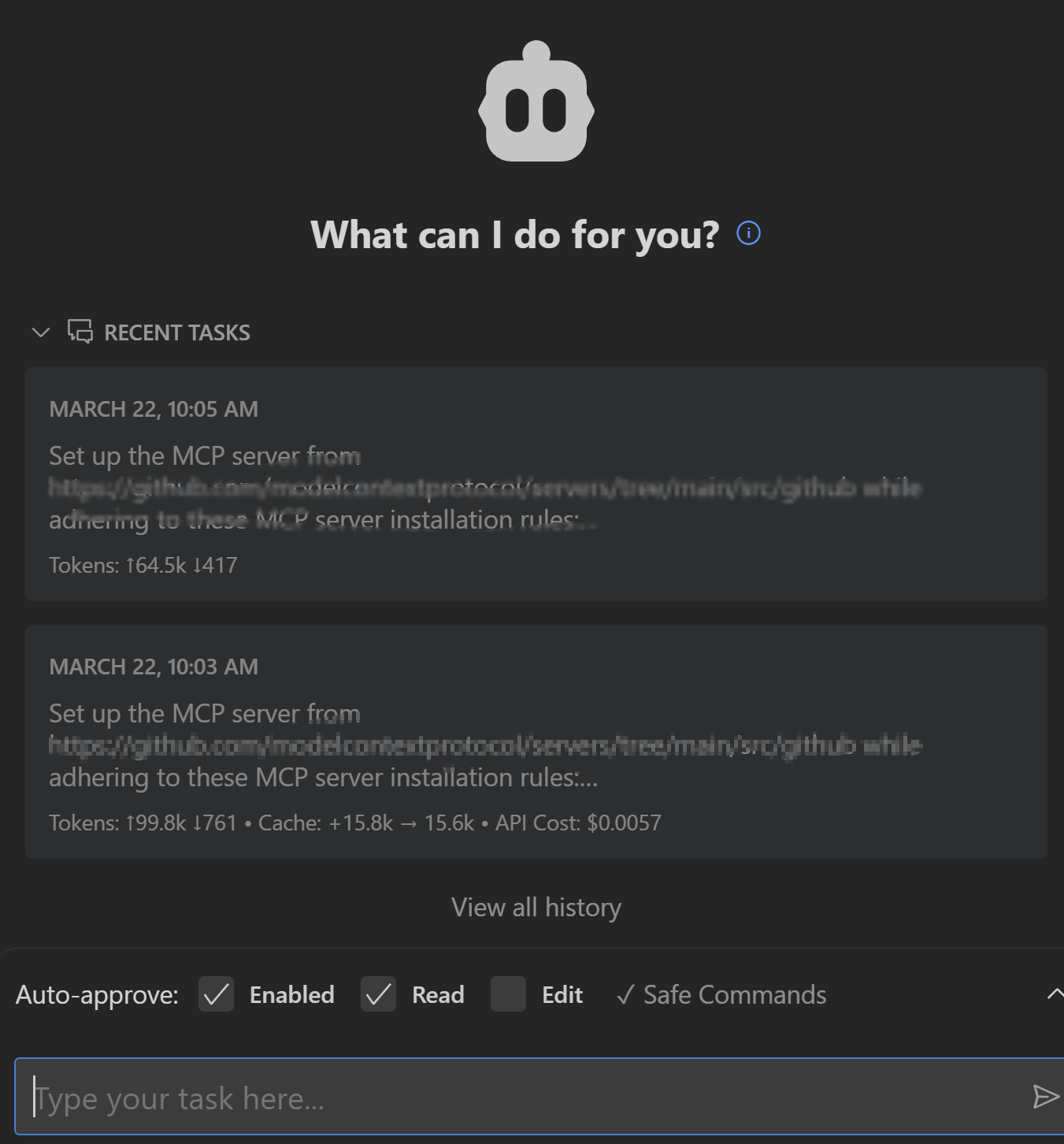
Cline is a next-generation development assistant AI Agent launched by Moonshot AI, embedded in mainstream IDEs. It supports high-level functions such as natural language instruction-driven code refactoring, cross-file debugging, and unit test generation. The underlying architecture of Cline also adopts the MCP protocol, enabling it to call external agents when needed to assist with complex tasks, such as invoking a browser or performance analysis tools, achieving parallel collaboration of multiple agents within the development workflow.
4. Open-Source Full-Process AI Agents Represented by OpenManus
OpenManus is an open-source project based on the MCP protocol, driven by community developers. Its goal is to provide a full-process AI Agent system that can run without relying on closed-source services. Similar to ManusAI, OpenManus also supports users starting from natural language input, with the Agent automatically planning tasks, creating execution environments, calling toolchains, and achieving goals. The difference is that OpenManus is completely open-source, allowing users to freely customize its agent behavior, plugin interfaces, and tool-calling logic, greatly promoting the community application and ecosystem development of the MCP protocol.

ProverModel
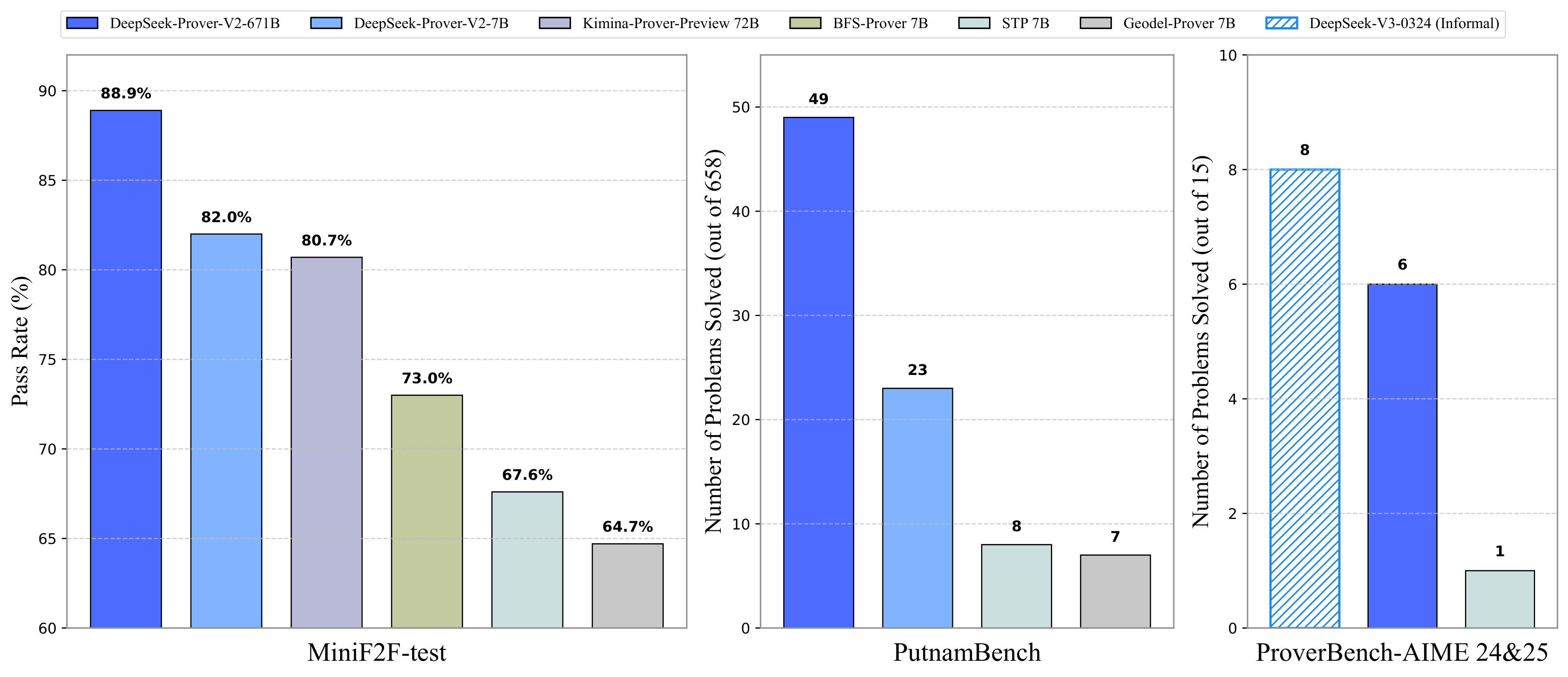
On April 30, 2025, DeepSeek officially released its new-generation mathematical theorem proving model, DeepSeek-Prover-V2, on the AI open-source community HuggingFace. This model is the world’s first formal mathematical large model. Its 671B model possesses the most rational mathematical reasoning capability to date. A comparison chart of its reasoning ability against other models is shown below:
The Impact of ProverModel on the Current AI Landscape
Unlike current hybrid reasoning models, the data generated by mathematical theorem proving models can serve as excellent rational training data for training other models, accelerating the shift of non-rational models towards rationality, thereby enabling faster progress toward AGI.
Summary
MCP and ProverModel are significant innovations in the current AI field and hold great importance for the development of AI.
